Email Marketing 101 (Part 1): How to Start Building Your Email List as a Small Business Owner
You've heard about email marketing. Maybe you've even thought about starting it. But somewhere along the way, you convinced yourself it was "for big brands," "too complicated," or just not necessary for a business like yours.
I get it. I used to think the same.
Here's what I've learned after years of building an online business and working with hundreds of entrepreneurs: email marketing is one of the most powerful tools a small business owner has and most people are sleeping on it.
By the end of this, you'll know exactly where to start.
Let's get into it.
What Is Email Marketing & Why Should You Care?
Email marketing isn't anything complicated. It's simply a direct line of communication with your audience without relying on an algorithm to decide if your content gets seen.
Think about it. On Instagram or LinkedIn, you can create something valuable and only a small percentage of your audience will see it. But with email, you choose when and how you show up. Your message lands directly in someone's inbox and the people receiving it chose to hear from you.
Here's the part I love most about email marketing:
- You own your audience. If a platform disappears tomorrow, your email list is still yours.
- You build real connection. Email gives you the space to share your thoughts, your story, and your expertise in a more personal way.
- You convert better. People who consistently hear from you are far more likely to trust you and eventually buy from you.
- You control the pace. You don't have to show up every day. You show up when you have something to share.
The Myth: You Need Thousands of Subscribers
In email marketing, connection beats numbers every time.
I once deleted over 300 cold subscribers from my list, people who hadn't opened or clicked any of my emails in 90 days.
It might sound counterintuitive, but a smaller, engaged list will always outperform a large, unresponsive one.
3 Things You Actually Need to Get Started
1. An email platform
This is the tool you'll use to build your list, send emails, and track performance. Three excellent options:
Kit (formerly ConvertKit)
Best for beginners and growing creators. Free for up to 10,000 subscribers. Simple, powerful, and highly recommended.
Flodesk
Ideal if you want beautifully designed emails with minimal effort. Flat monthly pricing.
Substack
Great for creators who want to build a newsletter and eventually monetize their writing.
2. A simple opt-in form or landing page
This is where people sign up.
Every platform above gives you this automatically. You'll get a form or landing page link you can share anywhere; your Instagram bio, website, or even WhatsApp.
Keep it simple: clearly tell people what they'll get and make it easy to sign up.
3. A welcome email
When someone joins your list, they should hear from you immediately. Your welcome email sets the tone. It introduces who you are and what they can expect from you.
That's it. Nothing complicated. Just these three things and you're ready to start.
Before You Write a Single Email, Do This
Most people jump straight to "what should I send?" without asking the more important question:
Clarity here changes everything.
Step 1: Define your reader
Not "everyone." Not "anyone interested." Be specific. Who would benefit most from what you know and what you offer?
What are they trying to figure out? What frustrates them? What would they actually love to receive in their inbox?
The clearer you are, the more personal your emails will feel, even to strangers.
Step 2: Identify 3 things they care about
These become your content compass. Every email you send should connect to at least one of these three areas. This keeps your content relevant, focused, and engaging.
Action Plan
- 1Define your ideal subscriber clearly
- 2Write down 3 things they care about
- 3Set up your email platform today.
How to Grow Your Email List
Once your system is set up, the next question is: How do I actually get people to subscribe?
You can't just say "subscribe to my newsletter" and expect results. You need to give people a reason to join. Something that makes them think: "I actually need this."
That's where lead magnets come in.
What Is a Lead Magnet?
A lead magnet is a free resource you offer in exchange for someone's email.
The key: it must be valuable and directly relevant to what you do. A great lead magnet gives people a small win and a taste of your expertise.
How to create a lead magnet in 3 steps
Step 1: Identify one key problem
Ask yourself: What is one problem my audience constantly struggles with? Then create something that helps solve it.
Examples:
- Health → Meal plan, workout guide, stress checklist
- Business → Content planner, onboarding checklist, pricing guide
- Finance → Budget tracker, savings template, beginner investing guide
- Creative → Portfolio checklist, client brief template, rate guide
Step 2: Make it irresistible
Your lead magnet should feel like something people need right now. Here's how:
- Know your audience. What problem keeps them up at night? Your lead magnet should be the answer to that specific headache.
- Solve ONE specific problem. Don't try to fix everything. The more focused it is, the faster people will grab it.
- Pick the right format. Choose something quick to consume and easy to apply. A 5-step checklist will always outperform a 40-page ebook that nobody finishes.
- Showcase your expertise. Give people a taste of your brilliance. Make them think "Wow, if this is free, what's the paid stuff like?"
- Design it well. We eat with our eyes first. Use a clean, simple design. Canva is your best friend here. It doesn't have to be fancy, just easy to read and visually appealing.
- Hint at what's next. Use your lead magnet to point people toward your next step, a service, a product, or something they can look forward to.
And don't overthink it. Start with what people already ask you for.
Step 3: Set up your landing page
Your landing page should include:
- A clear headline
- A short benefit-driven description
- A simple form
- A strong call to action ("Send it to me")
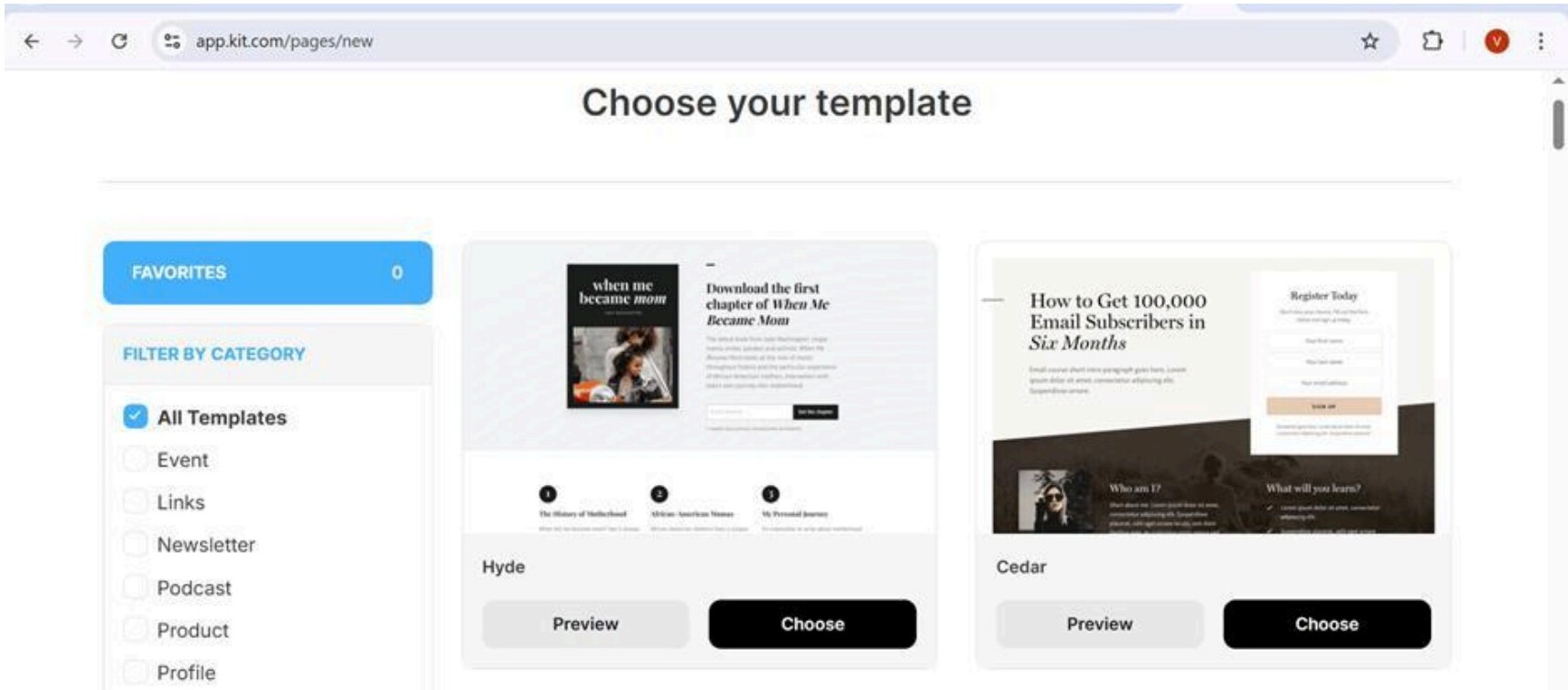
Once it's live, add the link to your bio immediately. This ensures you're capturing leads even when you're not actively promoting. Most email platforms have landing page templates you can customise in minutes.
Action Plan
- 1Choose one lead magnet idea
- 2Create it (keep it simple. You can design it on Canva or Google Docs)
- 3Set up your landing page
- 4Add the link to your bio
- 5Create content around that problem at least twice a week
- 6Track sign-ups and celebrate progress (even if it's 3 people)
Ready to grow your list? 🚀
Need help building your brand identity, email marketing strategy or creating a lead magnet that converts?
Let's Chat →